
LEV INSPECTION AND TESTING
Local Exhaust Ventilation (LEV) systems must be inspected and tested regularly to ensure your workplace is safe, compliant, and effectively controlling exposure to airborne contaminants.
Ensure your workplace stays safe and fully compliant with professional LEV Inspection & Testing services. Our team of BOHS P601 qualified engineers, who are also proud members of SAFED, carry out thorough examinations and tests (TExT) across the UK. We provide COSHH Reg 9 compliant reports, actionable recommendations, and fast, reliable service, giving you peace of mind that your LEV systems are effective and fully compliant.
HOW OFTEN ARE LEV SYSTEMS TESTED?
What Is Local Exhaust Ventilation
(LEV) Inspection and Testing?
Local Exhaust Ventilation (LEV) Inspection and Testing systems are used to remove airborne contaminants such as dust, fumes, vapours, and gases from the workplace before they can be inhaled. LEV testing ensures these systems are working effectively and helps prevent harmful exposure to hazardous substances.
Our BOHS P601 engineers follow HSE guidance (HSG258) and the required elements of a LEV Thorough Examination & Test (TExT), ensuring a complete and compliant assessment.
Let’s Talk About Your Equipment
Speak to one of our inspection specialists about your compliance requirements.
Not sure what inspection you need?
View All Inspection Services
LEGAL REQUIREMENTS FOR LEV COMPLIANCE
Under COSHH Regulation 9, all LEV systems used to control exposure to hazardous substances must undergo a Thorough Examination & Test at least every 14 months or more frequently depending on the process.
A compliant LEV test ensures:
› Your system effectively removes harmful airborne contaminants
› Employees are protected under the law
› You can demonstrate COSHH compliance to HSE inspectors
› Your insurance and risk assessments remain valid
Failing to carry out proper LEV examinations can result in:
› Enforcement notices
› Fines
› Increased employee exposure risk
› System performance degradation
Explore how COSHH sits within wider UK health & safety law →
MORE QUESTIONS ABOUT LEV TESTING AND INSPECTION
Keeping Your Local Exhaust Ventilation (LEV) Systems Safe and Compliant
LEV FAQs
What Is Local Exhaust Ventilation (LEV)?
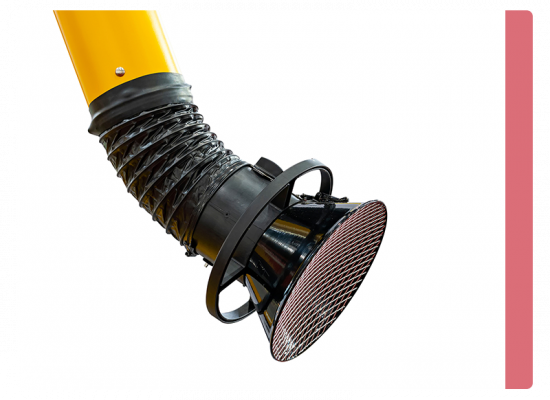
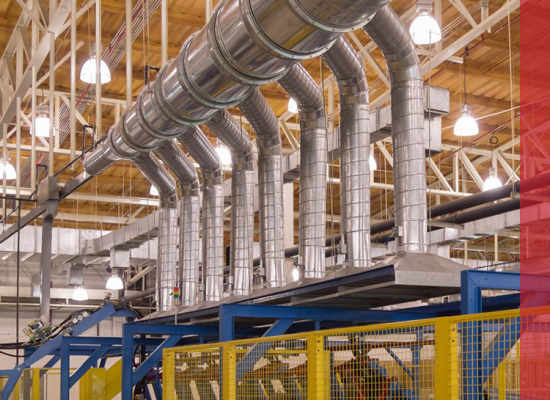
Local Exhaust Ventilation (LEV) is a control system designed to capture harmful airborne substances—such as dust, fumes, vapours, and gases—at their source. These systems are commonly used in workshops, laboratories, manufacturing facilities, and environments where hazardous substances are present.
To remain compliant with COSHH Regulation 9, employers must ensure their LEV systems undergo a thorough examination and test at least every 14 months. This process helps verify that the system continues to protect workers effectively.
Why LEV Inspection and Testing Is Required
LEV systems degrade over time due to wear, blockages, or poor maintenance. If a system fails to extract contaminants effectively, workers can be exposed to health risks like lung disease, asthma, and cancer.
That’s why COSHH regulations mandate periodic LEV testing and inspection by a competent person. The inspection includes performance tests, airflow measurements, visual assessments, and proper documentation.
Failing to inspect LEV systems regularly can result in HSE enforcement, fines, or liability in the event of a workplace incident.
What is COSHH?
COSHH stands for Control of Substances Hazardous to Health—a set of UK regulations designed to protect workers from exposure to harmful substances in the workplace.
Under COSHH, employers must:
Identify hazardous substances in the workplace
Assess the risks to employee health
Implement controls like ventilation, PPE, or safe storage
Maintain records and monitor employee health if necessary
What is LEV testing under COSHH Regulation 9?
Local Exhaust Ventilation (LEV) testing is a legal requirement under COSHH Regulation 9 in the UK. Key points:
It ensures extraction systems control airborne contaminants effectively.
Systems must be thoroughly examined at least once every 14 months.
The inspection involves airflow tests, hood function checks, and detailed reporting.
What types of workplaces require LEV testing?
LEV systems are commonly required in:
Fabrication and welding workshops
Woodworking shops
Laboratories handling chemicals
Food production and packaging facilities
Pharmaceutical and cosmetic manufacturing
If your work involves airborne dust, fumes, vapours, or mist—LEV testing is likely mandatory.
Frequently Asked Questions (FAQs)
What’s Included in a Thorough LEV Inspection?
A proper LEV inspection includes the following steps:
Visual examination of hoods, ducts, filters, and extraction points
Airflow measurements using calibrated instruments
Smoke tests to detect capture performance
Assessment of system performance against the original design specifications
Labelling of equipment to indicate Pass/Fail status
Detailed written report with recommendations and test results
Every inspection is performed by a trained LEV competent person, ensuring full compliance with COSHH.
What happens during a LEV inspection?
During a professional LEV inspection:
Engineers check airflow velocity and capture efficiency.
Hoods, ducting, filters, and fans are examined for wear.
A compliance report and test certificate are issued post-inspection.
LEV Testing Frequency and Legal Requirements
Under COSHH Regulation 9, a thorough examination and test of LEV systems must be conducted at least every 14 months. Some systems (like those handling carcinogens or respiratory sensitizers) may require more frequent testing.
Employers are also responsible for:
Keeping LEV test records for at least 5 years
Acting on any defects or failures noted during the inspection
Ensuring all systems are clearly labelled with inspection dates
Non-compliance can lead to legal consequences, including enforcement action by the Health & Safety Executive (HSE).
How often should LEV systems be inspected?
LEV systems must be tested:
Every 14 months by law (minimum requirement).
More frequently for high-risk environments like welding, paint spraying, or pharmaceutical work.
After major repairs or changes to ducting or hoods.
Do I need LEV testing if my equipment looks fine?
Absolutely. Visual checks aren’t enough. LEV systems can lose efficiency silently—which means airborne hazards might be escaping control. Regular testing ensures:
Legal compliance
Workforce protection
Peace of mind for business owners
BOHS P601 Qualified Engineers
All inspections are carried out by experienced LEV engineers holding BOHS P601, LEV Thorough Examination & Test.
This ensures your assessment is:
› Competent
› Reliable
› Fully compliant
› Completed to the same standard as top national inspection bodies
WHAT OUR LEV INSPECTION AND TESTING INCLUDES:
Our LEV Inspection and Testing Process
Our qualified engineers follow a structured, thorough testing procedure aligned with HSG258 and BOHS P601 standards. Each inspection includes:
Visual & Mechanical Assessment
We check the physical condition of hoods, ductwork, filters, and fans to identify visible damage, blockages, wear, or incorrect installation.
Technical Performance Testing
We measure airflow, face velocities, static pressures, and capture velocities using calibrated instruments to ensure the system is controlling contaminants effectively.
System Effectiveness Evaluation
We use smoke tubes or dust lamps to visually demonstrate how well the system captures airborne hazards, ensuring the control measures are working in practice.
LEGAL REQUIREMENTS FOR LEV COMPLIANCE
We support all UK workplaces that rely on LEV systems to control airborne contaminants, including:
› Fume extraction systems
› Dust extraction units
› Welding & metalwork extraction
› Wood dust LEV systems
› Laboratory LEV systems
› On-tool extraction systems
› Canopy hoods and enclosure hoods
› Fixed & portable LEV arrangements
If your system extracts hazardous dust, fume, vapour, mist or gas, we can inspect and test it. Schedule Your Thorough Examination & Test (TExT) Now →
Have a Question About Compliance?
Our team are happy to help, just send us a message.
LEV SYSTEMS, WHAT A QUALIFIED ENGINEER LOOKS FOR
What We Inspect on an LEV System
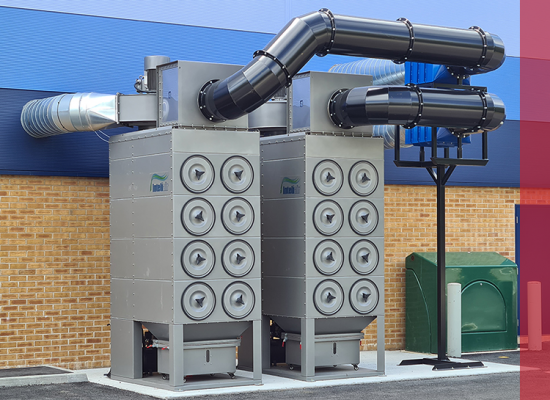
Our engineers conduct a full system-level inspection of your LEV installation, focusing on the performance and condition of every critical component. This ensures your system is working as designed and continues to control airborne contaminants effectively. A typical LEV system inspection includes:
› Examination of all parts of the system for damage, wear and tear
› Internal ducts
› Filters
› Monitors & alerts/alarms
› Air flow indicators and gauges
› Checks for indications of effectiveness
Our BOHS P601 engineers follow HSE guidance (HSG258) and the required elements of a LEV Thorough Examination & Test (TExT), ensuring a complete and compliant assessment.
LEV TESTING - DOCUMENTATION THAT KEEPS YOU COVERED AND FULL COSHH COMPLIANCE
LEV Test Reports & Certification - Full COSHH-Compliant Documentation
After completing the inspection, we provide you with a comprehensive LEV report, which includes:
› System performance results
› Test readings and observations
› Maintenance recommendations
› Photos and diagrams (where relevant)
› Priority actions (where relevant)
› Recommended maintenance
› A Certificate of Thorough Examination
This is the documentation required if the HSE inspects your workplace. These records must be kept for at least 5 years and are essential for demonstrating compliance during HSE visits or audits.
Prepare your system for inspection and stay fully COSHH compliant:
BUILT FOR YOUR BUSINESS
Why Choose Plant & Safety for LEV Inspection and Testing?
We combine technical expertise with a commitment to customer service. With Plant & Safety, you get:
Experience
BOHS P601‑qualified engineers; Our team brings highly specialised, certified expertise in LEV testing and inspection.
National Provider
Coverage; We provide LEV inspection and testing services across the UK, from London to rural industrial sites.
Speed & Value
Fast scheduling & Competitive pricing; Book inspections quickly, get clear pricing, and avoid hidden costs.
Compliance Confidence
Fully COSHH Reg 9-compliant reports; We deliver legally robust documentation that meets HSE and COSHH requirements.
Clarity
Clear, simple reporting; Our reports are easy to understand yet technically accurate, perfect for safety managers.
Support
Remedial action guidance; Not only do we identify issues, we also provide practical, compliant solutions to fix them.
Customer Service
Friendly, professional support; We combine technical know-how with excellent customer focus to help you every step of the way.
Proven Track Record
We have successfully completed hundreds of LEV inspections and thorough examinations across a wide range of industries.
Trust Our BOHS P601 Qualified Engineers to Keep Your System Compliant → Get a quote for your LEV Inspection Today
USEFUL LINKS & DOWNLOADS FOR LEV COMPLIANCE
Helpful Resources for LEV Inspection
& COSHH Compliance
Find everything you need to stay compliant from LEV checklists and
HSE guides to expert blog posts and practical downloads, or visit our LEV Inspection Resources page →
› LEV Testing Checklist (Free PDF Download)
› Download: HSE Guide – Controlling Airborne Contaminants at Work
LATEST NEWS AND UPDATES
LEV Inspection and Testing, News and Insights
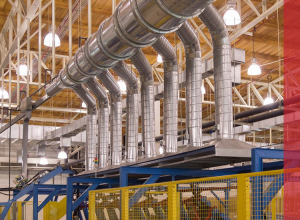
BOOK YOUR LEV INSPECTION AND TEST
Get Your LEV Inspection and Test Scheduled Today
For a fast quote or to schedule your next LEV Thorough Examination & Test.
We provide nationwide LEV inspection services with reliable turnaround times and expert guidance.
*We may contact you occasionally with exclusive offers, promotional discounts, and company updates that may be of interest to you. By ticking the box above, you consent to Plant and Safety LTD storing and processing your personal data. To learn more about how to unsubscribe and how we protect and respect your privacy, please see our updated Privacy Notice.
TRUSTED EXPERTS
Accreditations and Memberships






Looking for a Different Service?
Explore our other inspection and compliance services.
Still unsure?
PUWER Inspection
PSSR 2000 Inspection
LOLER Inspection Testing
How can we help?
To learn more or if you have any questions, please feel free to call or email us. You can also request a call back using our online form.
T: 0330 113 7920
E: sales@plantandsafety.co.uk
Useful Links